Can a damaged preserved moss panel be brought back to life?
Yes, minor damage to preserved moss can often be repaired, though the method depends on what kind of damage you are dealing with. Preserved moss is not alive, so it will not grow back or heal like a living plant. But with a careful approach, you can restore its appearance and keep your display looking fresh. The key is to understand that you are working with a treated natural material, not a living one, and that the repair is cosmetic rather than biological.
Preserved moss has been treated with a glycerin-based solution that replaces the moisture inside the plant cells, keeping it soft and flexible while stopping decay. This process also adds color, which is why preserved moss stays green for years without water or light. When damage occurs, it is usually mechanical (a tear or a crushed area), color-related (fading or discoloration), or a buildup of dust and debris that makes the moss look tired. Each type of damage responds to a different approach, and many can be fixed at Home with the right tools and a little patience.
Understanding the material before you try to fix it
Preserved moss comes in several varieties. Sheet moss, reindeer moss (also called reindeer lichen), and mood moss are common in wall art and display kits. Each has a different texture and structure. Sheet moss is flat and grows in a mat, so a tear in it can sometimes be hidden by gently pressing the edges together. Reindeer moss is bushy and branch-like, so a crushed or missing section is more noticeable but also easier to patch because you can tuck a small piece into the gap. Mood moss has a springy, clustered look and can often be fluffed back into shape if it has been compressed.
Because the moss is preserved, it is also slightly flammable and sensitive to heat. Never use a heat gun, hair dryer, or iron on it. The glycerin-based treatment can melt or burn, leaving a dark, sticky mess that cannot be repaired. If you need to reshape or reattach pieces, work at room temperature with gentle pressure and a suitable adhesive.

Dust and surface dirt: the easiest fix
The most common form of minor damage is simply a layer of dust that makes the moss look dull or discolored. Over time, dust settles into the nooks of reindeer moss and on the surface of sheet moss. A soft brush is the best tool for this. Use a clean, dry artist's brush or a makeup brush with soft bristles. Gently sweep the surface in one direction, lifting the dust rather than pushing it deeper. For reindeer moss, you can also use a can of compressed air, held at least six inches away, to blow dust out of the crevices. Do not use a damp cloth or any cleaning liquid, as moisture can react with the preservation chemicals and cause the color to bleed or the moss to become mushy.
If the moss is in a frame behind glass, dust the glass regularly with a microfiber cloth. The moss itself should need cleaning only once every few months, depending on the dust level in your room. A room with good airflow and moderate humidity will stay cleaner longer, but avoid placing the display near an open window or a vent that blows dust directly onto it.
Color fading and discoloration
Preserved moss is dyed during the preservation process, and those dyes are generally stable for years if the moss is kept out of direct sunlight. Ultraviolet light is the main enemy of color stability. If a section of your display has faded to a paler or yellowish tone, the damage is usually permanent: the dye has broken down and cannot be restored. However, you can often hide the faded area by rearranging the moss or by adding a small piece of fresh preserved moss on top.
If the fading is very slight, you may be able to blend it in by gently brushing the surrounding moss to fluff it up and create a more uniform texture. Texture can sometimes distract the eye from a slight color shift. For more noticeable fading, the best solution is to replace the affected piece. Preserved moss wall art kits often include extra material, or you can buy a small bag of the same type of moss from a craft supplier. Cut or tear a piece to fit the gap, and attach it with a hot glue gun (on a low-temperature setting) or a clear silicone adhesive designed for preserved plants. Press it in place and let it set for a few hours.
One important note: do not try to re-dye the moss yourself. The preservation process uses a specific formula that is not easy to replicate at home, and household dyes or paints will leave the moss stiff, blotchy, or sticky.
Tears, holes, and crushed areas
Mechanical damage happens when something presses against the moss, such as a picture frame being knocked off the wall, a pet brushing against it, or an accidental bump during cleaning. If the moss is simply compressed, you can often fluff it back up with your fingers or a soft brush. For reindeer moss, gently separate the branches with a toothpick or a small stick to restore its natural shape. For sheet moss, if it has torn, you can push the edges together so they overlap slightly, and they will often stay in place because the texture of the moss grips itself.
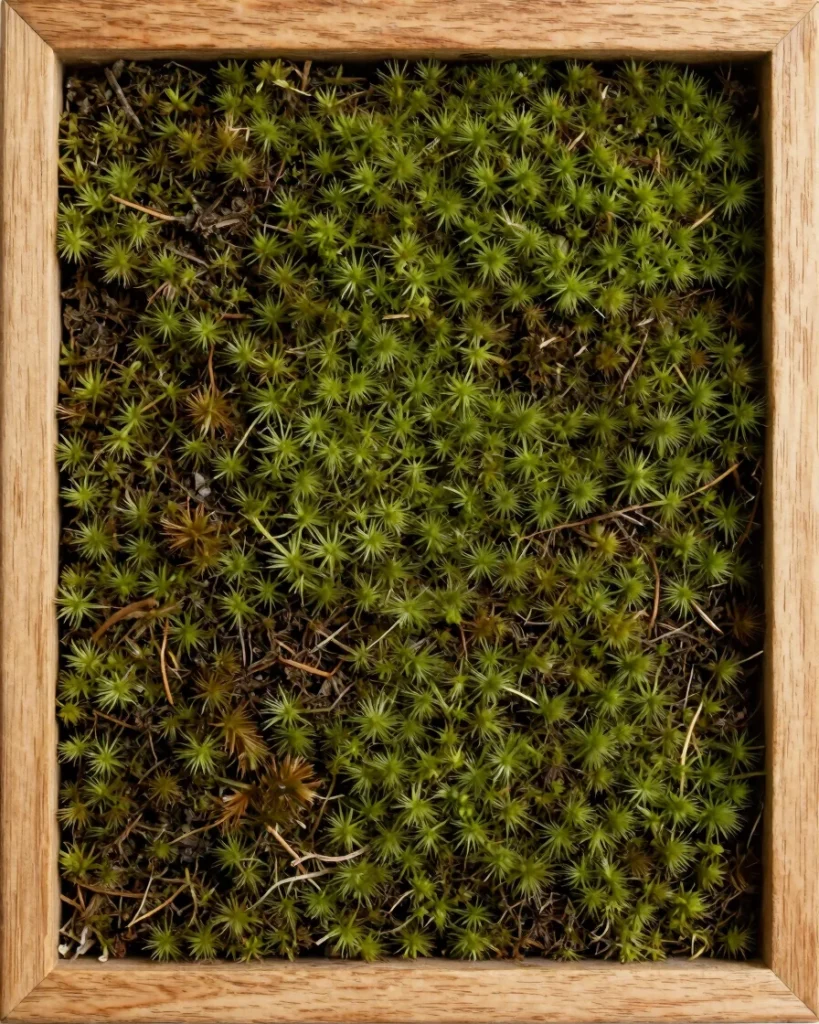
If a piece has fallen off or has a hole, you can patch it. Find a piece of preserved moss that matches the type and color as closely as possible. It does not have to be a perfect match because preserved moss varies naturally, and a small patch usually blends in well. Apply a tiny dab of adhesive to the back of the patch and press it into the gap. Hold it for a few seconds until the glue sets. Avoid using too much glue, as it can seep out and harden into a shiny spot that stands out.
For a tear in a sheet moss background, you can also use a small amount of clear-drying tacky glue and then sprinkle loose moss fibers over the glue to hide the repair. This works especially well if you have some leftover trimmings from the original installation.
Humidity and the indoor environment
Preserved moss is not sensitive to humidity in the way that living moss is, but extreme conditions can affect it over time. Very dry air with low humidity can cause the moss to become brittle and shed small pieces. Very humid air can make the preservation chemicals weep out, leading to sticky spots or mold growth. An indoor environment with a relative humidity between 40 and 60 percent is ideal. If your Home is very dry in winter, a small humidifier in the room can help keep the moss flexible. If it is very humid, good airflow and a dehumidifier can prevent problems.
Direct sunlight is the most common cause of fading, as mentioned, but it can also dry out the glycerin over time, making the moss feel stiff and less pliable. If you notice the moss becoming brittle, try moving the display to a spot with indirect light. Do not try to re-hydrate the moss with water or a spray bottle; it is preserved, not living, and water will ruin the treatment.
When to accept the damage and when to replace
Not every mark or imperfection can be repaired, and that is okay. Preserved moss is a natural product, and minor variations in color, texture, and shape are part of its charm. A small gap or a slightly faded edge often looks like a natural feature rather than a flaw. If the damage is in a highly visible area and you cannot patch it satisfactorily, the honest solution is to replace that section. Cut out the damaged piece and insert a fresh one. This is easier if you have a kit with extra moss or if you saved scraps from the original installation.
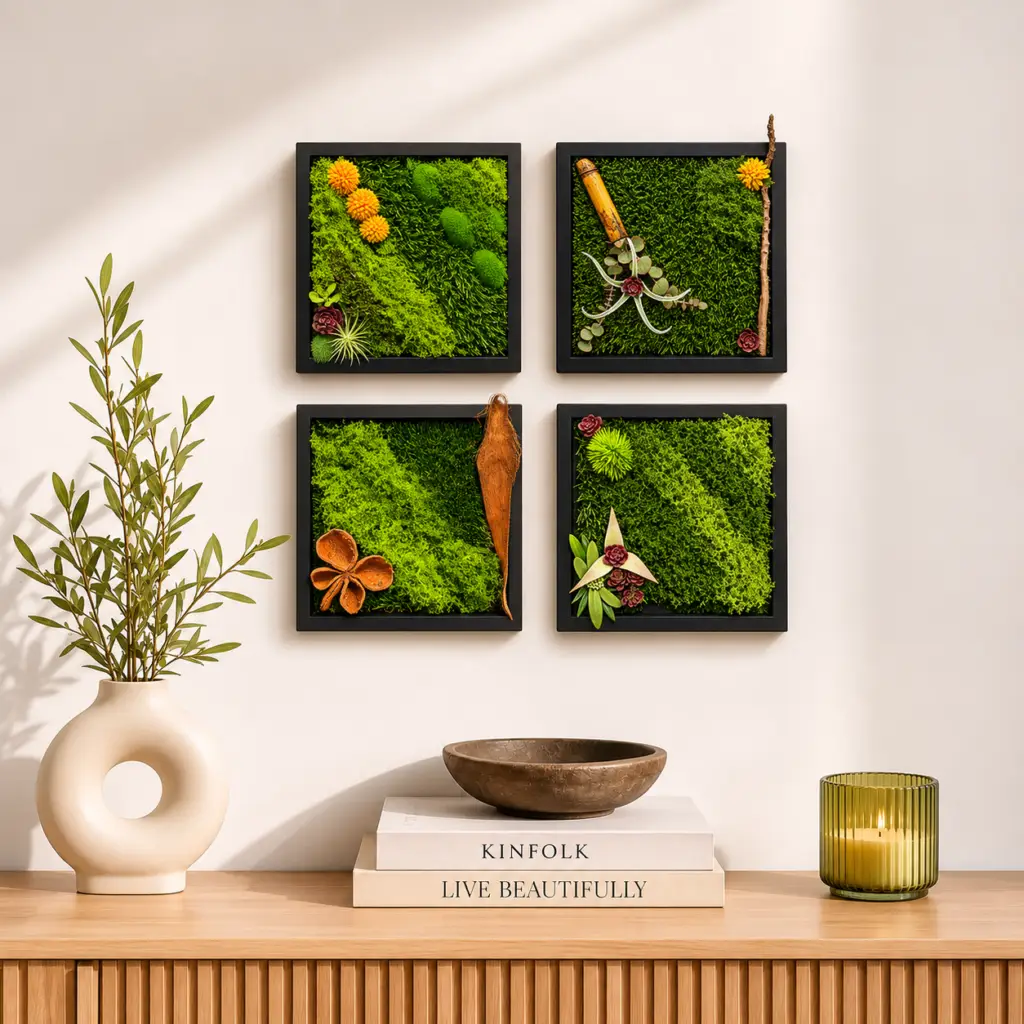
If the entire display has faded significantly or has multiple damaged spots, it may be time to consider a full replacement. Preserved moss wall art typically lasts three to five years with good care, sometimes longer. After that, the color and texture will naturally decline. Replacing the moss is a straightforward weekend project, and many people enjoy the process of creating a new design.
To summarize: dust with a soft brush, keep out of direct sunlight, avoid moisture and heat, and patch small problems with matching moss and a little adhesive. With these techniques, a minor mishap does not have to mean the end of your display. A little care goes a long way in keeping preserved moss looking its best for years.